


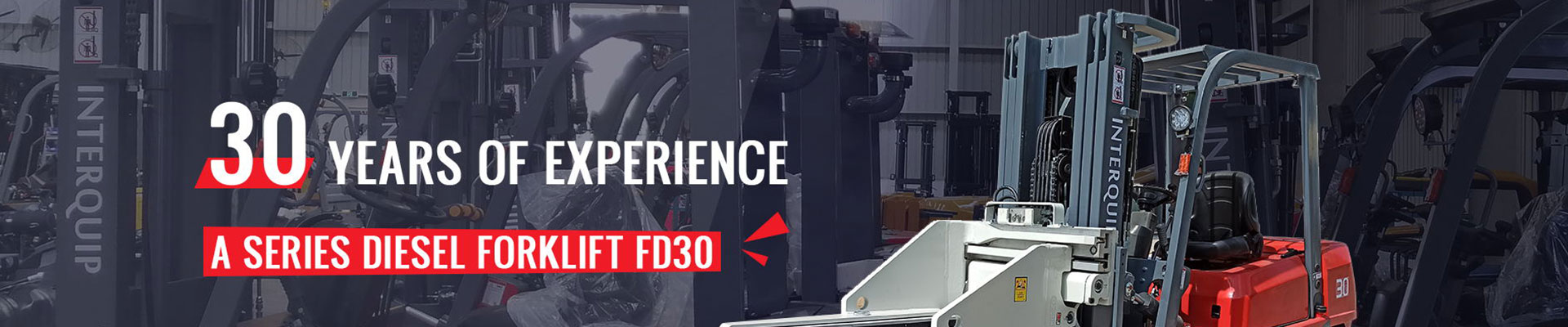
إجراءات التشغيل الآمن للرافعات الشوكية
To help you learn more about forklifts, below we share the forklift safe operation procedures. We hope this will be helpful!
I. Forklift Inspection
1. Before operating the forklift, inspect its appearance and add fuel, lubricating oil, and coolant.
2. Check the starting, running, and braking performance.
3. Check that the lights and audible signals are complete and effective.
4. During forklift operation, check that the pressure and temperature are normal.
5. After operating the forklift, check for external leaks and replace seals promptly.
6. For
battery-powered forklifts
, in addition to the above checks, check the electrical circuits according to the relevant inspection procedures for battery-powered forklifts.
II. Starting
1. Before starting, observe the surroundings and confirm that there are no obstacles that may impede safe driving. Sound the horn before starting.
2. For vehicles with air brakes, the brake pressure gauge reading must reach the specified value before starting.
3. When starting the forklift with a load, the driver should first confirm that the load is stable and secure.
4. Start slowly and smoothly.
III. Driving
1. When driving, the bottom of the forklift should be 300-400mm above the ground, and the mast should be tilted back.
2. Do not raise the forks too high while driving. Be aware of overhead obstacles when entering or leaving the work site or while driving. Raising the forks too high while carrying a load will increase the forklift's overall center of gravity, affecting its stability.
3. After unloading, lower the forks to the normal driving position before driving.
4. When turning, signal if there are pedestrians or vehicles nearby, and avoid high-speed sharp turns. High-speed sharp turns can cause the vehicle to lose lateral stability and overturn.
5. Internal combustion forklifts must not coast downhill with the engine off.
6. Avoid sudden braking while carrying a load, except in special circumstances.
7. When carrying a load on a slope exceeding 7 degrees or going uphill or downhill at speeds higher than first gear, do not use the brakes except in special circumstances.
8. Forklifts must comply with factory traffic rules and maintain a safe distance from vehicles in front.
9. When operating a
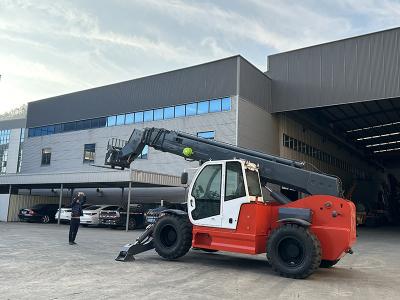
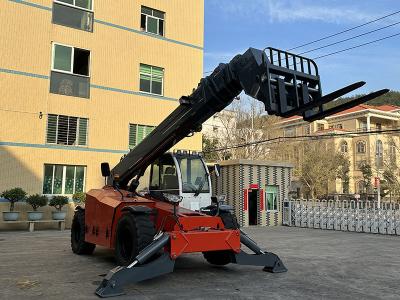
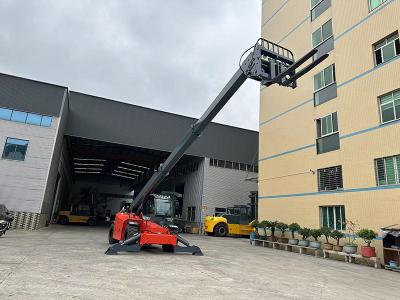
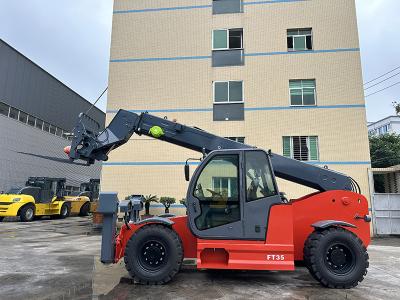
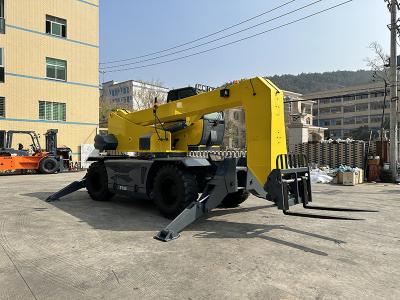
high lifting forklift 6m height
, the load must be at its lowest position without obstructing movement. The mast should be tilted back appropriately. Except when stacking or loading, the load must not be raised. When moving large objects that obstruct the driver's view, the forklift should be reversed.
10. Forklifts are steered by the rear wheels, so constant attention must be paid to the rearward swing to avoid the sharp turns often seen in novice drivers.
11. Turning on ramps is prohibited, and forklifts should not be driven across ramps.
12. When a forklift is carrying goods downhill, it should be driven in reverse to prevent the goods from falling.
IV. Loading and Unloading
1. When loading goods, the distance between the two forks should be adjusted as needed to ensure balanced load and prevent tilting. One side of the goods should be against the backrest, and the load weight should conform to the load center curve marking.
2. The height of the load must not obstruct the driver's view.
3. The forklift must be braked during loading and unloading.
4. When approaching or moving away from goods, the forklift speed should be slow and steady. Care should be taken to avoid running over goods, wooden mats, etc., to prevent flying debris from injuring people.
5. When using the forks to pick up goods, the forks should be inserted as deeply as possible under the load. Care should also be taken to ensure the fork tips do not touch other goods or objects. Minimal mast tilt should be used to stabilize the load and prevent it from sliding backward. When lowering the load, the mast can be tilted slightly forward to facilitate placing the load and removing the forks.
6. High-speed forking and collisions between the forks and hard objects are prohibited.
7. Personnel are prohibited from standing on the forklift while it is in operation.
8. Personnel are prohibited from standing around the forklift while it is in operation to prevent injury from falling goods.
9. Lifting personnel with the forks for work at heights is prohibited to prevent falls from heights.
10. Items must not be released using braking inertia.
 IPv6 دعم الشبكة